Skip to content

Leftover storage

How long do leftovers last?

In the US, cooked leftovers in the fridge are a 34 day window (USDA FSIS leftovers). In the UK, leftover advice is typically within 2 days (Food Standards Scotland), and cooked rice is 24 hours (GOV.UK home food fact checker). This page applies those windows to the day you cooked or opened the food. It does not test whether food is unsafe.

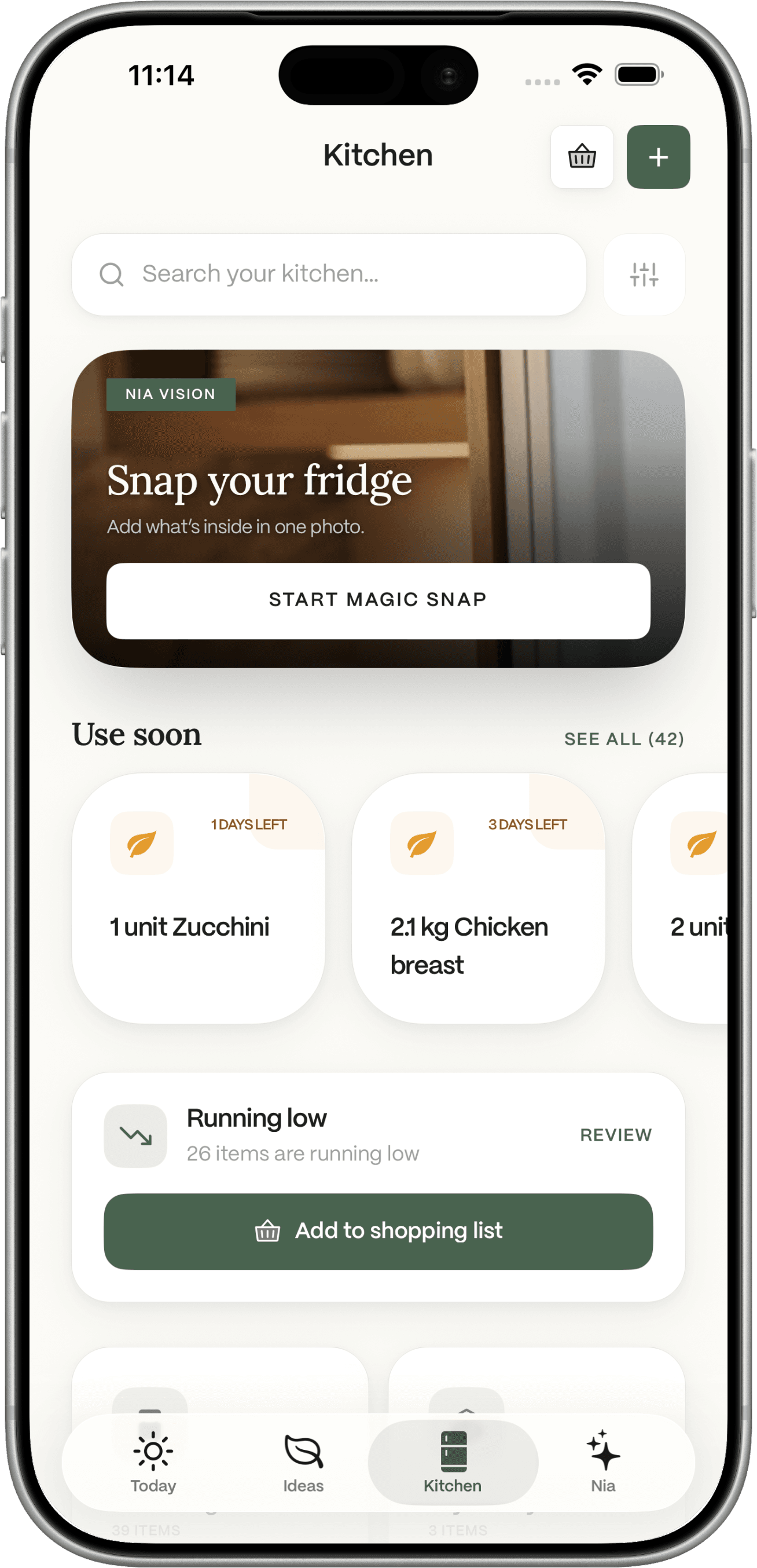
Dietrack kitchen list with food to use soon highlighted.

Clock

Check your leftover window.

Pick a country and what you cooked, opened, or found on a pack. Enter a date if you have one. The result is remaining days in a published window, not a verdict from a lab.

Which country’s rules?

Pizza, soup, pasta, and leftover chicken share the cooked-leftover window. Rice does not. Raw chicken is a different window from leftover chicken. Dietrack does not look up every food. For a specific item, use FoodKeeper or the cold-storage chart.

Did it sit out more than 2 hours after cooking?

Within the published window

Within the published window

Cooked leftovers in the fridge: 3–4 days (USDA FSIS). Fridge 40°F / 4°C or below. Reheat to 165°F / 74°C. You cooked on Tuesday. The published leftover window ends Saturday (2026-08-22). Plan to eat or freeze by then.

Published window: Cooked leftovers in the fridge: 3–4 days (USDA FSIS). Fridge 40°F / 4°C or below. Reheat to 165°F / 74°C.

Days remaining in the published window: 4. Count the cook or open day as day 0. This is remaining days in the published window, not a lab result.

Calendar end of this window: Saturday (2026-08-22). That is the published window, not a lab result.

Still inside the leftover window. Freeze now if you will not eat it today. Quality is best within about 3–4 months. Freezing after the leftover window does not make food that should have been thrown out into something to keep.

This is published storage guidance from named food-safety authorities, applied to the date you entered. It is not a test of this container of food. Storage history, fridge temperature, and contamination can make food unsafe earlier. When you are unsure, throw it out.

The rules

What the numbers mean.

Two leftover clocks, not one mashed table. Dietrack’s in-app leftover priority is a ranking choice, not a replacement for these agency windows.

USDA FSIS: refrigerate cooked leftovers within 2 hours (1 hour if the air is hotter than 90°F). Keep the fridge at 40°F / 4°C or below. Eat cooked leftovers within 34 days, or freeze them. Reheat to 165°F / 74°C. Frozen leftovers kept frozen are not given an “unsafe on” date; quality is best within about 34 months.

UK leftover advice is tighter. Food Standards Scotland: eat leftovers within 2 days. If you cooked on Monday, eat by Wednesday. Fridge 5°C or below where the pack says keep refrigerated. GOV.UK: if you cook a use-by food on or before that date, eat it within 48 hours or freeze it; after defrost, 24 hours.

Cool leftovers in shallow containers. This is not a picnic-minute calculator and not a fridge-thermometer model. If food sat in the danger zone too long, throw it out. Do not start the leftover clock.

Rice

Cooked rice is different in the UK.

The leftover 3–4 day rule and the UK rice rule conflict. The clock names that. It does not pick a favourite.

Uncooked rice can carry Bacillus cereus spores that survive cooking. If cooked rice sits warm, those bacteria can make toxins that reheating will not destroy. GOV.UK and Food Standards Scotland: chill rice quickly (ideally within 1 hour), fridge for no more than 24 hours, reheat once until steaming hot. Takeaway rice may already have been reheated. Extra care.

USDA leftover guidance does not split rice out of the 34 day leftover window. If you live in the US, leftover mode uses that window and still mentions the UK rice rule so you do not export it by accident. If you live in the UK, cooked-rice mode is 24 hours, not 2 days, and not 3–4.

Pack stamps

Date labels are not leftover labels.

The date on a yogurt lid and the day you cooked a stew are different clocks.

GOV.UK: use-by dates relate to safety; best before dates relate to quality. Do not eat food after a use-by date. You can freeze on or before it. There is no sniff test for use-by foods.

USDA FSIS product dating: except for infant formula, federal dating is not required and is not a safety indicator. “Best if Used By” and most “Use-By” phrases on US packs are quality. Infant formula is out of scope here.

Opened packs: follow the pack (“eat within 2 days of opening”) or, for a few US chart rows, the FoodSafety.gov opened/unopened split. This page will not invent how long milk lasts after opening.

Freezer

When to freeze.

Freeze inside the leftover window. Do not freeze to rescue food that should already have been thrown out.

If you will not eat leftovers inside the published fridge window, freeze them now. FSIS leftover freeze times are about quality (34 months). The FoodSafety.gov leftover freezer column is 2–6 months; this page uses the FSIS leftover page for leftover freeze quality, not that chart column. After a fridge thaw in the US, leftovers go back on a 34 day clock. After leftover defrost in the UK, Food Standards Scotland says 1 to 2 days. GOV.UK’s 24-hour after-defrost rule is for use-by foods you froze on or before that date. That is a different clock.

For a food that is not leftovers (raw poultry, ground meat, steaks), the FoodSafety.gov cold storage chart (last reviewed 19 September 2023) has fridge days and freezer quality months. This page uses a handful of those categories. It does not clone the chart. For a specific item, use FoodKeeper.

Bin

When to throw it out.

Past the published window, too long on the counter, mould, or you are unsure.

  • Past the leftover window for your country (US day 5+; UK leftover past the 2-day count; UK rice past 24 hours).
  • Sat out more than 2 hours (US; 1 hour if very hot). Do not start a leftover countdown.
  • Past a UK use-by date. No sniff test.
  • Visible mould. GOV.UK: do not eat mouldy food.
  • When you are unsure. Throw it out.

Next

What to cook instead.

A leftover window without a dinner is only half the job. This page does not generate meals.

Eat-me-first shelf layout lives on fridge organisation for less waste. Waste habits: seven household food-waste fixes. Product hub: food waste reduction app.

Limits

What this is not.

  • Not a test of the moment food becomes unsafe.
  • Not an expiration calculator or a shelf-life calculator.
  • Not FoodKeeper, and not 650 ingredient pages.
  • Not a fridge-temperature model that invents extra “safe days.”
  • Not medical advice, and not a photo “is this still good?” scan.
  • Not Dietrack’s in-app leftover priority dressed up as USDA leftover science.

Snap the leftover. Cook it while it is still inside the window.

Free on iOS and Android. The leftover clock on this page works without an account.

Download Dietrack on the App StoreGet Dietrack on Google Play

Method

Methodology.

Ruleset 2026-08-18. Last reviewed 18 August 2026.

  1. Country first. US leftover days never silently apply to a UK visitor, and UK rice 24 hours never silently applies to a US leftover.
  2. Situation second. Cooked leftover, cooked rice, pack date, opened pack, or a small US raw-fridge category. No free-text food search.
  3. Dates are calendar days (YYYY-MM-DD). Cook day is day 0. US leftover last day is day 4. UK leftover last day is day 2 (cooked Monday → eat by Wednesday). UK rice without a time: same calendar day only.
  4. Status chips are prioritisation derived from those published windows. They are not laboratory pass/fail badges.
  5. Unknown date: show the rule, hide the chip. Future date: error. Sat out too long: throw out, no remaining-day math.
  6. No FoodKeeper JSON. No Q10. No backend. Arithmetic runs in this page from the versioned module lib/leftover-storage-clock.ts.

Sources

Sources.

Opened 18 August 2026. Magazines and “shelf life calculators” are not sources.

  1. USDA FSIS, Leftovers and Food Safety.
  2. USDA FSIS, Food Product Dating.
  3. USDA FSIS, Keep Food Safe.
  4. FoodSafety.gov, Cold Food Storage Chart (last reviewed 19 September 2023). Lookup app: FoodKeeper.
  5. GOV.UK, Best before and use-by dates.
  6. GOV.UK, Home food fact checker (cooked rice, sniff test on use-by foods).
  7. Food Standards Scotland, Food storage and chilling.

FAQ

Related questions.

How long do leftovers last in the fridge?
In the United States, cooked leftovers last 3–4 days in the fridge at or below 40°F / 4°C (USDA FSIS). In the UK, leftover advice is typically within 2 days (Food Standards Scotland). Cooked rice in the UK is 24 hours. These are published windows, not a lab test of your container.
How long does cooked chicken last in the fridge?
Treat leftover cooked chicken as leftover food: 3–4 days in the US (FSIS), typically within 2 days in the UK. Raw chicken in the US fridge is a different row (1–2 days on the FoodSafety.gov chart). Enter the cook date above. Then see leftover chicken recipes at /blog/leftover-chicken-recipes.
How long does cooked rice last?
In the UK, cooked rice should be chilled quickly (ideally within an hour) and eaten within 24 hours; reheat only once until steaming hot (GOV.UK). In the US, cooked rice is treated as leftover food under the FSIS 3–4 day leftover window. Those rules conflict. Pick your country in the clock. Do not apply USDA leftover days to UK rice.
Can you freeze leftovers?
Yes, freeze them inside the leftover window. USDA FSIS: frozen leftovers stay safe if kept frozen; quality is best within about 3–4 months. After a fridge thaw in the US, leftovers go back on a 3–4 day clock. Food Standards Scotland: use food within 1 to 2 days after it has been defrosted. GOV.UK’s 24-hour after-defrost rule is for use-by foods you froze on or before that date. That is a different clock from leftover defrost. Freezing after the leftover window does not make food that should have been thrown out into something to keep.
Are leftovers good after 5 days?
Not under published leftover guidance. Five days is past the USDA 3–4 day leftover window and past typical UK leftover advice. Throw them out. Do not taste-test for safety.
What does use-by mean versus best before?
In the UK, use-by is a safety date; best before is a quality date (GOV.UK). In the US, most pack dates including “use by” are quality dates except infant formula (USDA FSIS). Cooked leftovers use the leftover clock, not the pack stamp. Do not sniff-test a UK use-by food.

Get the app

Snap the leftover. Cook it while the window is open.

Free on iOS and Android. The leftover clock above does not need an account.

Download Dietrack on the App StoreGet Dietrack on Google Play